
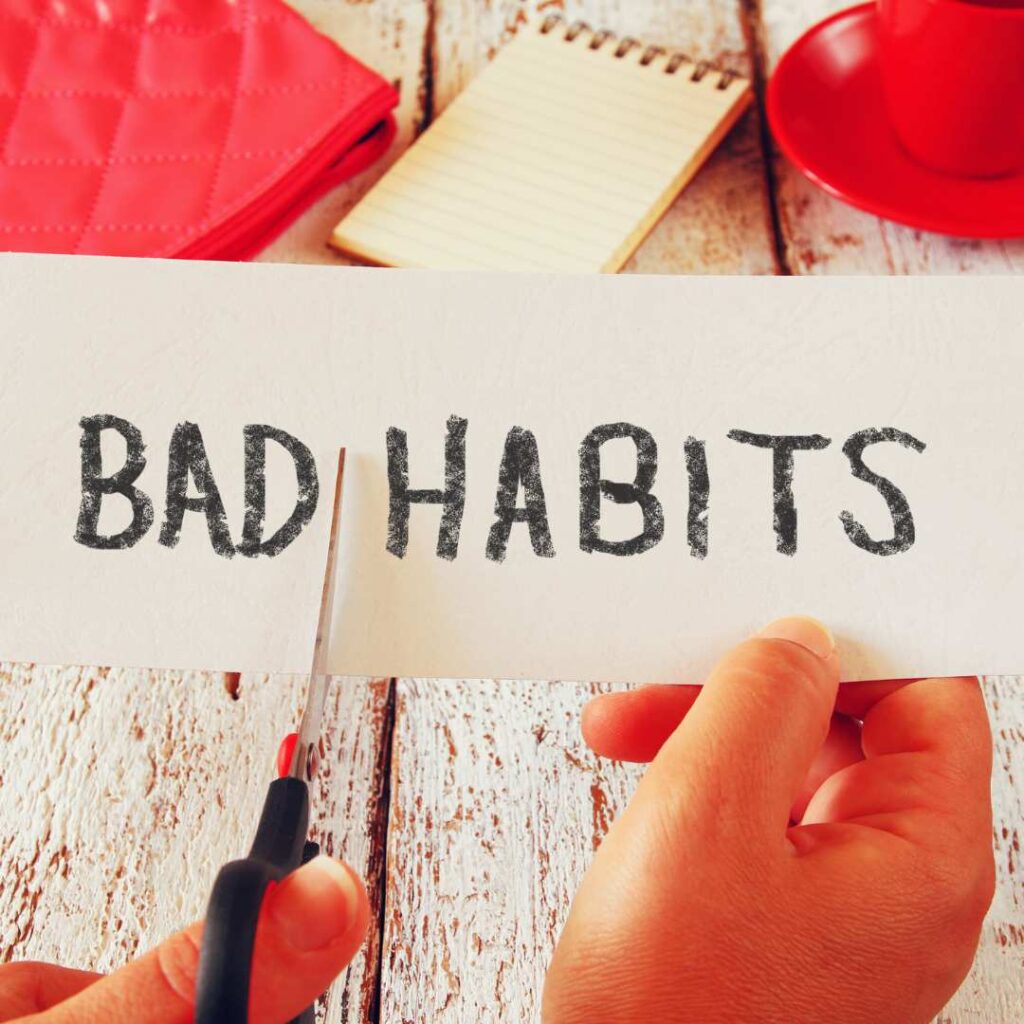
Stop Thinking About Your Bad Habits! [Do This Instead.]
The more you try to avoid a thought, the more that thought will nag at you. Read to learn how to stop thinking about bad habits.
The more you try to avoid a thought, the more that thought will nag at you. Read to learn how to stop thinking about bad habits.

Thanks to the Two Treat Rule strategy we believe there’s no such thing as foods you shouldn’t eat. Click to discover now!

Downtime is the scheduled time in a day when you rest and you are with yourself. Click to learn about building resilience with downtime now!

Why is commitment absolutely essential in creating a new habit? Let me explain you why and how commitment to change is important.
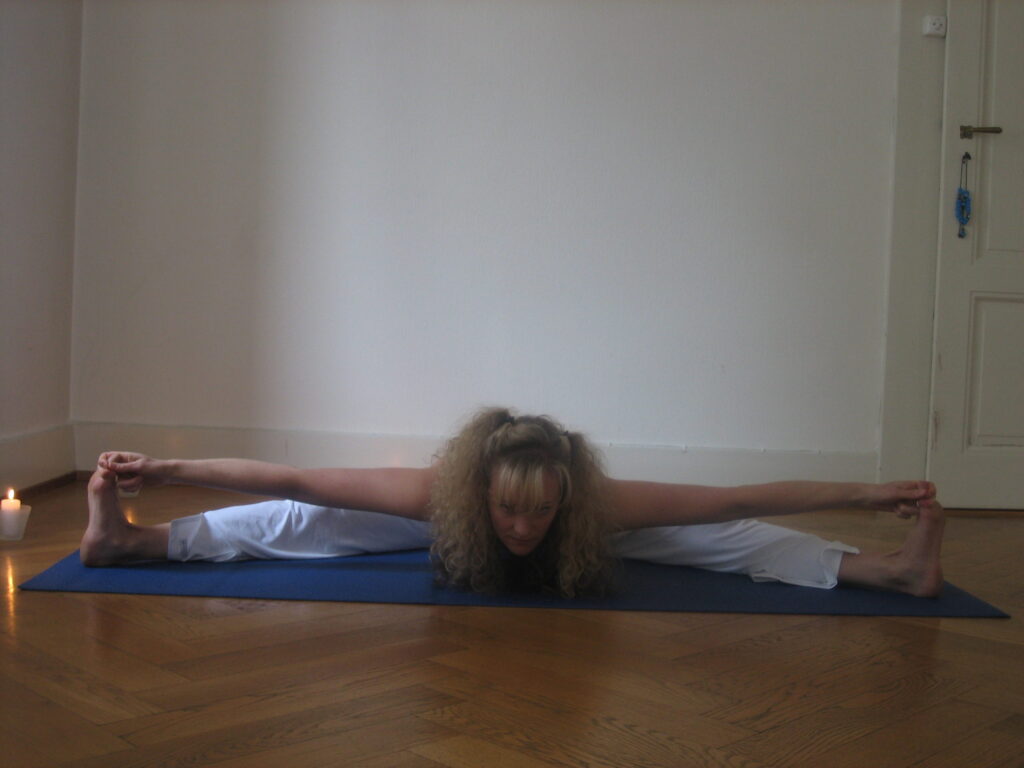
Sadly, for the past few months, yes. I have been an avid yoga practitioner since being introduced to yoga in the mid-1980s. Having attended my first class with my mother at her office, I became a “Star Student” where the teacher would ask me to demonstrate the postures. As I was a dancer most of my childhood I developed alot of flexibility and easily imitated the postures or asanas. Naturally, I was highly flattered and instantly loved yoga. After that, I continued classes wherever I could find them. Flexibility is a liability when there is not enough stability. Landing in Switzerland in 1989, I found a class in the United Nations where I was pushed and pulled in many positions – I loved it! However, the sad reality is that I was becoming hyper-mobile in my spine, hips, knees and shoulders. After being trained to teach in the 1990s, I regularly followed trainings and became more and more interested in healthy movement, biomechanics and the protection of the body and the joints. I especially became interested in the joints after I developed osteoarthritis in my toes. This came about from the jumping back into Chaturanga that I was doing 20 – 40 times per day. in my home practice as well as my classes I was teaching. After this, never again would I teach the jumping back, and I would discourage my students from doing so. About 12 years ago, I was diagnosed with arthritis of the hips. It has given me pain on and off through the years and neither the physiotherapists, doctors nor myself could pinpoint the problem. Over the past 2 years I would get regular strange issues, like the fibula bone in the lower leg being displaced, sporadic knee pain, and a blocked hip. All of this despite my regular yoga practice. (Interestingly, I would rest and not practice and the pain would go away – big clue, but I didn’t listen). Then along came the confinement with COVID. During this time I practiced in the mornings, fully demonstrated the one-hour classes 3 times per week, taught private classes online and followed classes and workshops taught by other teachers. The result was that I was getting my hyper-mobility back, overstretching the hips and hamstrings. All of this created more movement in the hip joint, more deterioration of the cartilage and pain to the point of limping. This has brought me back to some of the principles I learned years ago with the fascia and the Bowspring. Create more stability rather than flexibility. I have found great relief in practicing these methods again. Taking onboard these principles I will begin to weave them into my yoga classes again. And of course we will avoid over-stretching – because nobody benefits from hyper mobile joints. Things change, we all change with time, and hopefully improve as well. I hope that all of my students will discover the benefits of the new way of practice and will come to find a better way of movement and posture. I am grateful to teach and continue being a student, every moment of every day. Namaste

Using the Precision Nutrition Coaching Application, we will create good habits for a healthier lifestyle: eating habits, exercise, sleep, recovery, and so much more! Each week on Mondays at 19h we have a 30- 45 minute coaching session on Zoom. The community this creates helps to motivate, stay accountable and help to support each other through lasting change. Next session: 11 January – 29 March (12 weeks) Here is what some of the 2020 participants have to say: The approach and resources are excellent. It is definetly the right method. And, you are an amazing coach! WHO Staff Member. PN is practical and doable-and I especially like the small nudges and small commitments that are the foundation of lasting change. Really Anne you are the most important and impactful part of the course. WHO Staff Member.
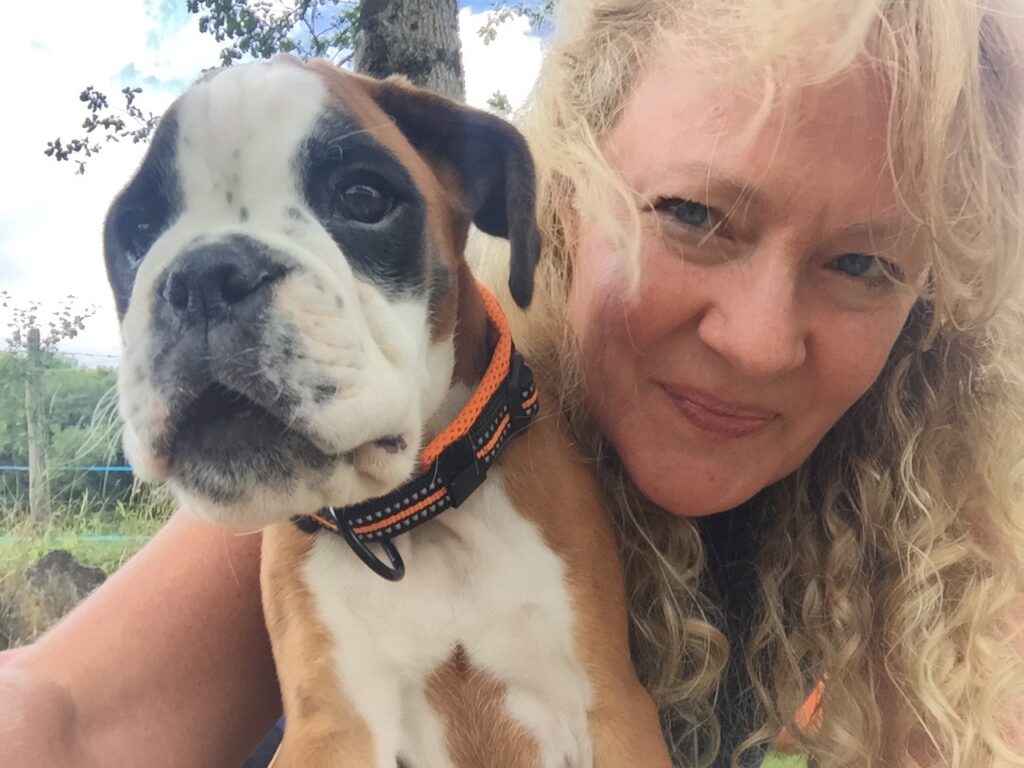
I would like to learn to play the piano. It has been a dream of mine since I was 18. (I am now 55). I love singing and this dream came to me while watching Fame. Irene Cara sang “Out here on my own” while playing the piano. It moved me, I mean really moved me. You might be thinking, go take lessons! I have, dozens of times. Practice? Yep, bullied myself into practicing. Buy this new app, that method, this teacher… I have done so many different things over the years it would make your mind swim. What happens? I get so frustrated, feeling that I had been sabotaged, de-railed or just distracted and I ended up quitting or just saying “one day”. So I give up thinking that I just wasn’t made to be disciplined and play the piano. I am sure I am not alone in giving up on these kind of dreams, please tell me I am not. I don’t like to see myself as a quitter, and I am constantly looking for new ways to improve. I had learned that the human brain is developed in your childhood years and remains static then begins declining – this was the theory for many years. Thankfully, in the past ten years, neuroscientists have discovered that this is just not true. We can change at any age – that the brain has neuroplasticity. Our brains can change and continue developing even in our adult years, and things were not fixed when I was 18. My piano playing dream just comes down to creating new neuropathways and habit formation. Habits are important. Up to 90 percent of our everyday behaviour is based on habit. Nearly all of what we do each day, every day, is simply habit. Jack D. Hodge, Author of The Power of Habit Suddenly, I thought I found The New Hope. I read every book on the subject and I was to become a jedi of habit making! I became an incredibly disciplined person using all sorts of techniques and strategies. I found new vigour in forcing myself to get up at 5h30 every day, eating only protein and vegetables, scheduling in my classes and practice hours, moving forward on all those dreams and if I faltered, it was because of my commitment and no excuses!!! I pushed myself to the limit of fatigue and overwhelm to achieve, achieve, achieve!! And I played the piano every damn day. Did I love it – no. Did I suffer – yes. Did my family suffer? Yes. Was I enjoying my newfound discipline and and ultimately my life? Not really. And did I learn to play piano? Sadly, no. To be fair, I did have some success. My daily walks are firmly installed in my daily habits and now I have a dog (Ninja, I will come back to him later…), I listen to audio books while driving and reach my goal of one book per week, and have found a new way of eating that is easy and keeps my weight from creeping up. The big difference in these habits that have “stuck” is that I found them to be enjoyable. They made me feel “shine” and good emotions surround them. But for the other habits I wanted to create, well, they faded away. So I kept looking – what is holding me back? Where can I improve? How can I break through that glass ceiling? Let’s talk about dogs. Remember Ninja? Well, he taught me the most valuable lesson in habit creation. If I want him to sit, it must be enjoyable for him. So I give him a treat or a good scratch behind the ears. It works for all commands with Ninja: lie down, shake hands, come to me, go to bed, stop on our walks, be patient, etc., etc. You don’t train a dog to sit with harsh voice commands or punishments it just doesn’t work. Teaching him the good behaviour, always with “good boy!!” and a small treat or toy to make him happy works every time. It makes him “shine”. What he is doing is simply a habit: a prompt followed by a behaviour. What he taught me is that the emotion that surrounds the behaviour creates the habit – or destroys it. Now, we humans are a bit different from dogs, but much of the mechanisms of creating habits are the same. I’ll bet that it doesn’t take long to create a habit of eating ice cream (or another treat that you enjoy) every night if the emotions and the conditions are right (in fact I KNOW it is not long having created one of those habits myself!!). Same with checking social media, a nightly glass of wine, hitting the snooze button, distracting ourselves from what we know we should be doing. So what works? Attaching a positive emotion to the habit you wish to create. I do think discipline has its place in our lives. But for creating habits, there must be an enjoyable emotion attached to it. Making the behaviour an absolute pleasure will make the habit stick. And the best part? It makes your life enjoyable – and life is short so why not enjoy it? Creating a good habit or breaking a bad one doesn’t become an impossible chore or something you must have “energy” for. There are alot of things we leave undone in life, alot of dreams that never become reality. But if there is something you really want, I cannot promise you that you will get it, I cannot promise you that you won’t fail. But you miss 100% of the shots that you don’t take. So if you want something, go get it, with the right strategy and the right emotions, and never look back.

